“Where I was, was bad. This program was the answer.”
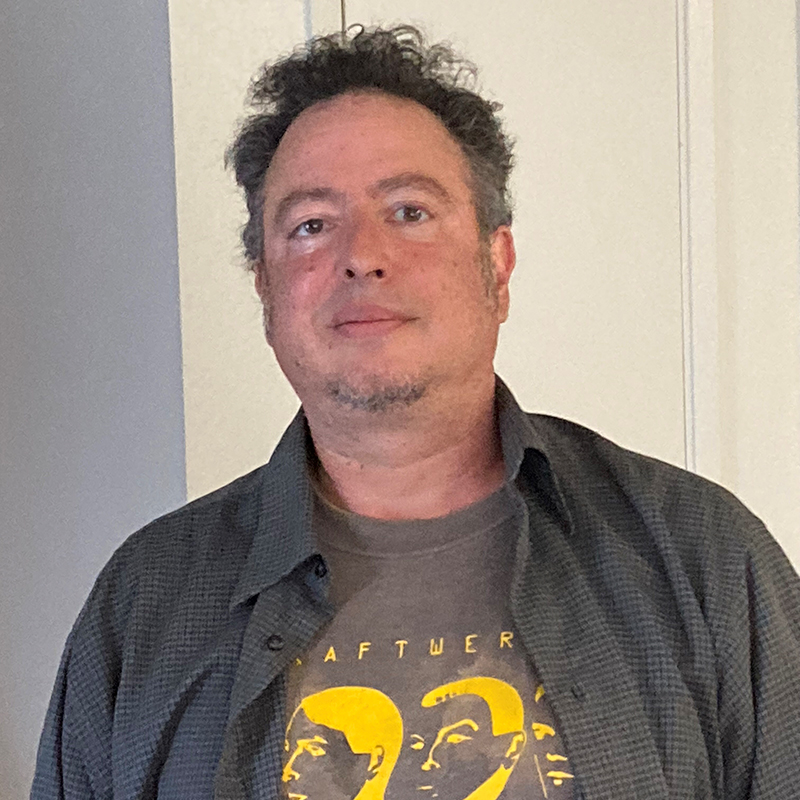
David grew up with a close-knit family in San Francisco in the 80’s. “As kids,” he says, “we took the bus everywhere – cost just a nickel.”
In 1983, his father bought him the new Apple IIe. “We were the first house on the block to buy a PC,” he says. “The computer era was just launching; I consumed everything tech at that time.”
David excelled in school and was accepted into competitive gifted academic programs. He participated in choir and the debate team, and finished high school early to attend a year-long program in Israel, to which he had won a full scholarship.
“I had close friends,” he says. “I was social; much more so than I am now.”
Many years later, living with a bi-polar diagnosis, David clearly remembers the time in his life when his mental illness first presented itself. “My rational decision-making abilities were gone,” he says. “My thoughts were, ’it’s time for an adventure.’” He left school. Six months later, when the episode was ending, he would go back to school. “It took me seven years to get my BA,” he says.
And the cycle continued – for nearly two decades. “It never occurred to me I was ill,” he says. “Even though I was experiencing evictions, homelessness and not sleeping, I was euphoric. I thought my time spent on Skid Row was ‘free paradise.’ I would become a completely different person, one who is unimaginable to me now.”
After his third hospitalization, David ‘had a moment of clarity,’ and took his sister’s advice to seek help. “My sister, a psychiatrist, told me there was a good program in Marin called Buckelew. That was six years ago.”
David was accepted into Buckelew’s Marin Assisted Independent Living (MAIL) program, where he has maintained stability and mental health. MAIL program clients share living space in housing where BP provides comprehensive oversight of care. BP service providers visit the homes three times a day and work with the clients to ensure meds are taken, chores are completed, appointments are kept and meals are planned for and prepared.
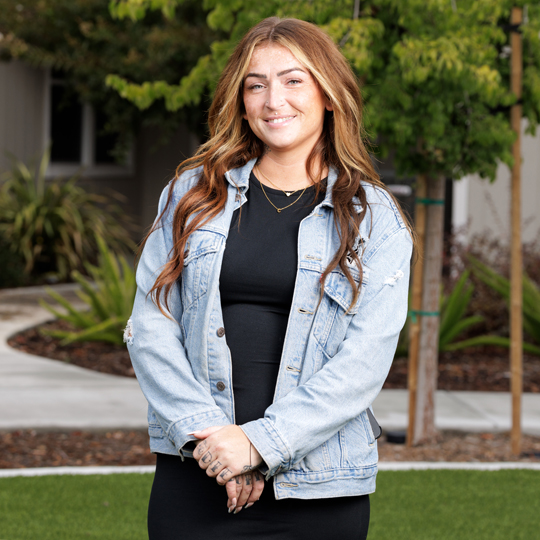
Emily McDonald is a Buckelew Program’s case worker. She meets with the housemates once a week to help plan meals and make a grocery shopping list.
“This program provides real homes for our clients,” said Emily. “This is their home, their family. Many clients have never experienced a warm, stable and supportive environment, like we provide. They are accepted and cared for here. It’s love and hope that we provide.”
“Buckelew was a lifesaver for me,” David says. “Prior to getting here, I didn’t have a regular doctor, much less a psychiatrist and therapy. They helped me establish routine and structure, to where I am OK, safe and stable. If this program didn’t exist, it would have been disastrous for me.”
Today, David still enjoys close relationships with his family members and is feeling confident about establishing new goals.
“I’m a grateful person,” he says. “I take nothing for granted – food, shelter, health. Just because of what I lived through. For me, just to be OK is a big deal.”