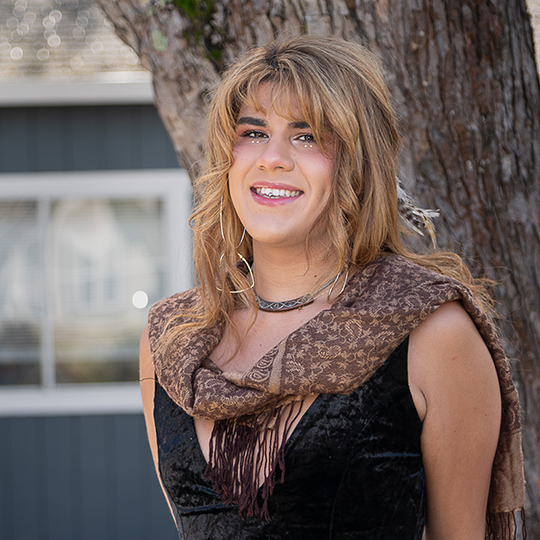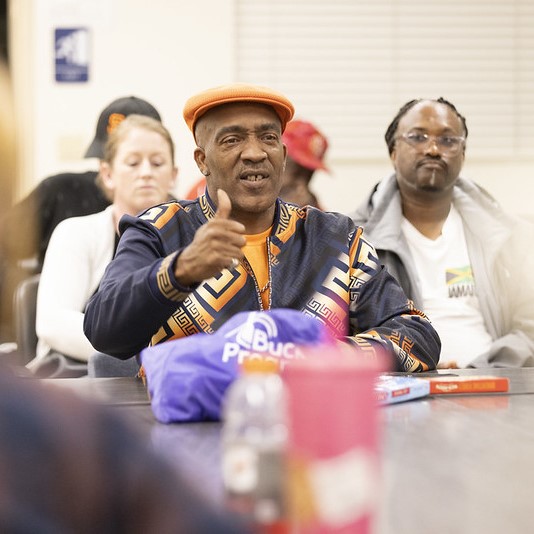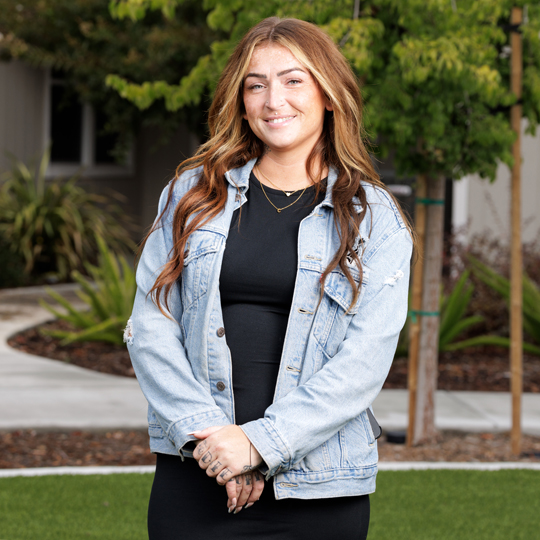
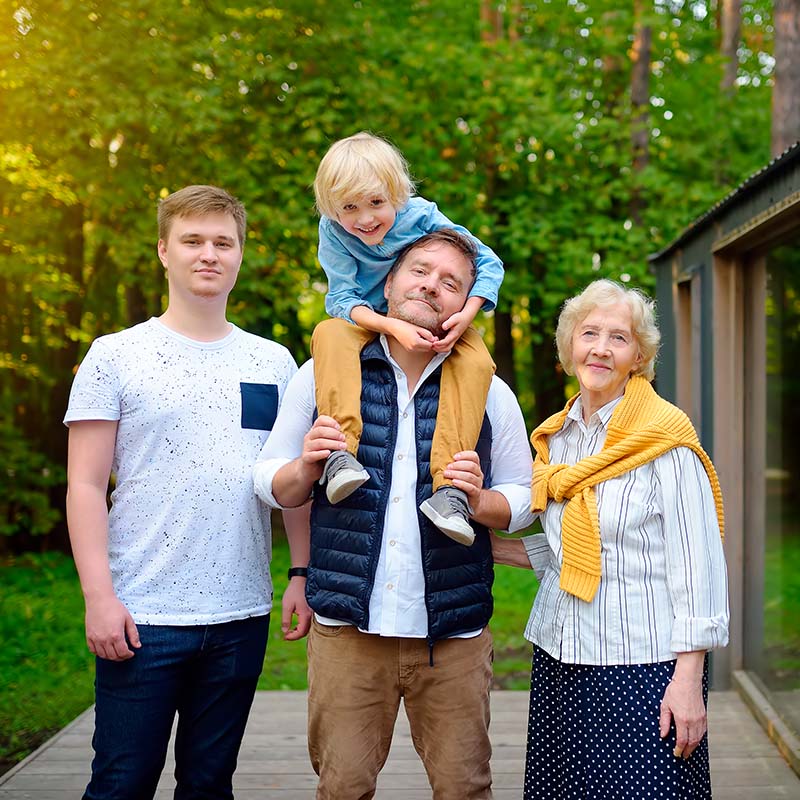
Scott was in his mid-twenties and doing what a lot of young men at that age do. Playing his guitar, going to the gym, driving around town and enjoying spending time with his girlfriend. No one knows exactly what happened, but a public argument at a restaurant with the girl he was seeing was the triggering event that de-railed his life.
The event would soon have a ripple effect – impacting his entire family and ultimately leading to Scott’s ‘first break’ – an episode of psychosis that resulted in hospitalization.
Immediately after the restaurant incident, Scott dramatically changed. He stopped playing his music. He was argumentative. He stopped driving and isolated from his community. He slept all day. Sandy, Scott’s mom, was terrified for him. As a medical professional, she knew it was a mental health issue, but didn’t know where to turn for help.
As his behavior escalated, Sandy found herself having to leave the house multiple times, because she didn’t feel safe. Hesitant to involve law enforcement, Sandy knew situations involving police and those experiencing behavior related to psychosis didn’t always turn out well. Feeling desperate, she found NAMI through Google. NAMI referred her to Buckelew’s Family Service Coordination (FSC) team, connecting her with Katie Swan, Buckelew Programs’ Team Leader FSC.
“Katie was our lifeline,” Sandy says. “We began talking regularly. They educated me on what was happening and how to best navigate and address the situation.”
Buckelew Programs’ FSC Team strives to provide education, connection to local resources and support to family members and caregivers of adults and youth experiencing a wide range of mental health challenges.
Several months after connecting with Buckelew, Scott’s mental health decline resulted in an episode at the house that involved a broken window. Pushed to the breaking point, Scott’s brother told his mom, ‘if you don’t call the police, I will.”
The phone calls with Katie had prepared her well. Having been coached on how to effectively engage law enforcement, the encounter with police that day resulted in a heart-wrenching but helpful plan to assist Scott to access crisis mental health services at the hospital.
“I don’t know how I would have survived that phase of his illness without Katie’s help,’ said Sandy. “
“It’s so hard to watch your loved one struggle,” said Katie. “You can’t access services for them. We worked with the family to best prepare them for Scott’s return home.” Katie helped both Scott and the family navigate the “messy” process of assessments and encounters with doctors. “His paranoia made him struggle to trust anyone. We supported him throughout that time, encouraged him to ask questions and engage with staff to access the services that were fitting for him.”
Once home from the Crisis Residential Unit, Scott signed an agreement with his family that he would take his medication regularly and keep his doctor appointments. Katie connected Scott to case manager, John, who would interact with Scott regularly. John also enjoys many of the activities that Scott used to engage in. The relationship turned out to be transformative, resulting in Scott’s renewed interest in getting his life back. For the first time, he had insight into his illness and was open to leaving the house. He stopped sleeping all day and looked forward to his time with John.
“Prior to his connection with John,” Katie said, “Scott’s anxiety and internal stimulus was so extreme he would completely sweat through his clothes before meeting me in my office. At home, he would hide under a blanket for hours and struggle with his paranoia. Developing a relationship with him took time.”
John’s impact on Scott’s life through his advice and support is on-going. Goals include gaining confidence in managing his anxiety and continuing to build social skills and independence. He’s playing guitar again. He’s looking forward to going back to local parks with John, a practice they had started prior to COVID-19.
Sandy is encouraged by Scott’s progress and is hopeful for his future. “I want to see him integrate back into society and enjoy life,” Sandy says. “To drive again. Exercise. Have a girlfriend.”
“Early intervention is so important,” Katie says. “The sooner we can provide support and education, the sooner that person and their family can start the journey to recovery. And recovery is unique and defined by the individual. They get to choose what their recovery looks like and what works for them. Scott has done a phenomenal job at that.”
“I can’t describe how grateful I am for Katie, John and Buckelew,” says Sandy. “Without their help, I cannot image where we would be. They have given us hope.”
“If people have support in their life,” says Katie, “they can get through pretty much anything.”