 Roger’s path to recovery began on Easter Sunday, 2025: the day he walked out of prison and decided to stop running from the grief that had shaped most of his life. Roger was just a young teen when his father was killed. That incident became a defining turning point in his life, one that sent him down a path that would take decades to understand and begin healing from.
“I was subconsciously always looking for my dad, even though I knew he was gone,” he reflects. “I think we all look for the love we don’t find at home. I struggled with that loss for years, and it led me down a difficult path. I was a troubled youth, in and out of juvenile detention, and those struggles continued well into adulthood.”
Although he had tried recovery before, it wasn’t until his time in prison that he felt an internal change. Surrounded by men who seemed as broken as he once was, Roger chose to work through his discomfort and speak his truth out loud. “Hearing myself say all these things about myself, that’s where the accountability happens,” he says. For the first time in his adult life, he could say that he loved himself again.
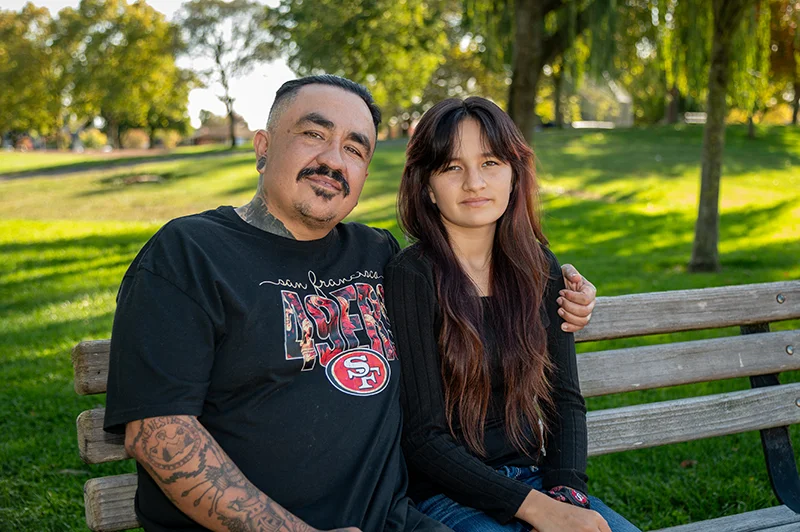
One of the greatest blessings for Roger has been reconnecting with his now thirteen-year-old daughter, Alexa, whom Roger had not seen since she was a baby. Becoming part of her life has given Roger a new perspective on what matters most: “It’s been so good to be a part of watching this new chapter unfold before my eyes.”
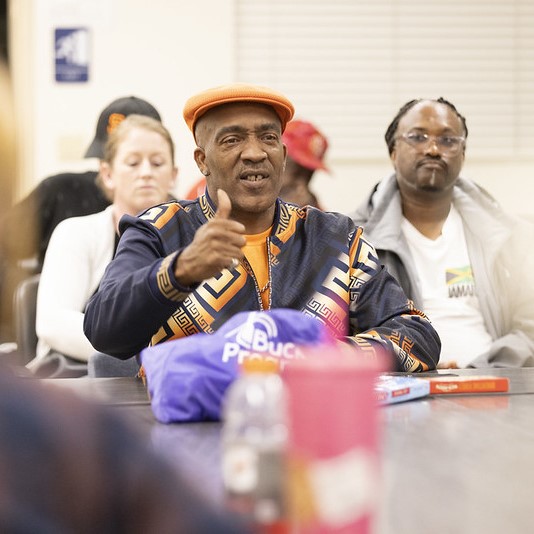
Roger draws on these experiences to support his work at Buckelew’s Orenda Center, inspiring others as they move through withdrawal management and residential treatment. Soon, he plans to take on the role of House Manager at Buckelew’s new Dad & Me sober living home in Santa Rosa, where he will help fathers put their children at the center of their recovery.
“I think the bond between father and child is really important,” he says, “and this new home is going to bring them closer together. In a setting like this, the focus for these dads will be on their children.”
By sharing his own journey of broken relationships and the rewards of rebuilding them, Roger hopes to show that change is possible. He wants others to recognize that self-work doesn’t just change their own lives; it can also bring new levels of joy, hope, and healing to the people who love them.
Roger is enrolled at InterCoast College in the Alcohol & Drug Counseling Studies program and has become certified to facilitate groups through Generation Red Road, a Native American curriculum that promotes healing and sobriety.
For everyone around him, Roger offers something that can’t be taught in a classroom: proof that it’s possible to forgive yourself. “I can’t keep living in the guilt and shame that has been killing me since I was thirteen,” he tells them. “You owe it to yourself. Give yourself a chance to live.”